
Geschäftsanwendungen entwickeln, warten und zuverlässig betreiben.
Standardsoftware deckt viele Anforderungen zuverlässig ab. Doch wenn Prozesse individueller werden oder bestehende Systeme an ihre Grenzen stoßen, braucht es Lösungen, die sich an Ihrem Unternehmen orientieren.
Wir unterstützen mittelständische Unternehmen dabei, bestehende Anwendungen gezielt weiterzuentwickeln, technische Risiken zu reduzieren und den laufenden Betrieb zuverlässig sicherzustellen.
Geschäfts-anwendungen die Ihr Unternehmen langfristig unterstützen.
Standardsoftware deckt viele Anforderungen zuverlässig ab. Doch wenn Prozesse individueller werden oder bestehende Systeme an ihre Grenzen stoßen, braucht es Lösungen, die sich an Ihrem Unternehmen orientieren.
Wir entwickeln Geschäftsanwendungen, modernisieren bestehende Software und integrieren neue Funktionen dort, wo sie den größten Mehrwert schaffen. Von der ersten Idee bis zur langfristigen Weiterentwicklung begleiten wir Sie als technischer Partner.
- Entwicklung individueller Geschäftsanwendungen
- Weiterentwicklung und Modernisierung bestehender Anwendungen
- Technische Wartung, Code Reviews und Updates
- Laufender Betrieb, Stabilität und Sicherheit

Software sollte Ihr Unternehmen unterstützen. Nicht einschränken.
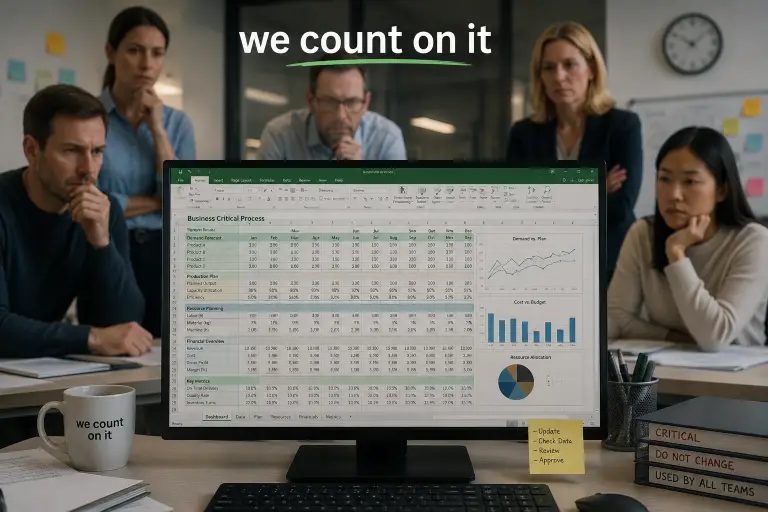
Jedes Unternehmen entwickelt im Laufe der Zeit eigene Prozesse.
Viele davon lassen sich mit Standardsoftware hervorragend abbilden.
Doch sobald Abläufe individueller werden, mehrere Systeme zusammenarbeiten oder Informationen automatisiert verarbeitet werden sollen, reichen Standardlösungen häufig nicht mehr aus.
Es entstehen zusätzliche Excel-Dateien, doppelte Datenerfassung oder individuelle Zwischenlösungen, die mit jeder Erweiterung komplexer werden.
Die Herausforderung besteht dabei selten in der Software selbst.
Sie besteht darin, Geschäftsprozesse zuverlässig, flexibel und langfristig abzubilden.
Genau dabei unterstützen wir mittelständische Unternehmen.
Die passende Lösung ist nicht immer eine neue Anwendung.
Nicht jede Herausforderung erfordert eine komplette Neuentwicklung.
Oft genügt es,
- bestehende Anwendungen gezielt zu erweitern,
- verschiedene Systeme miteinander zu verbinden,
- Excel-basierte Prozesse abzulösen,
- einzelne Funktionen zu ergänzen oder
- eine bestehende Geschäftsanwendung schrittweise zu modernisieren.
Unser Ziel
Unser Ziel ist eine wirtschaftlich sinnvolle Lösung für Ihre Organisation, die Ihre Mitarbeiter im Alltag zuverlässig unterstützt und wichtige Qualitäts- und Sicherheitsstandards gewährleistet.
Unsere Leistungen
Geschäftsanwendungen entwickeln
Wenn Standardsoftware Ihre Prozesse nicht optimal unterstützt, entwickeln wir individuelle Geschäftsanwendungen, die sich an Ihren Arbeitsabläufen orientieren.
Vom internen Verwaltungssystem bis zum Kundenportal entstehen Lösungen, die sich nahtlos in Ihre bestehende IT-Landschaft integrieren.
Bestehende Software modernisieren
Viele Anwendungen erfüllen seit Jahren zuverlässig ihren Zweck.
Wir entwickeln sie technisch weiter, modernisieren die Architektur und schaffen die Grundlage für zukünftige Anforderungen – ohne bewährte Prozesse unnötig zu verändern.
Systeme integrieren
Geschäftsprozesse enden selten an den Grenzen einer einzelnen Anwendung.
Wir integrieren bestehende Systeme, entwickeln Schnittstellen und sorgen dafür, dass Informationen dort verfügbar sind, wo sie benötigt werden.
KI & Automatisierung
Künstliche Intelligenz und Automatisierung schaffen dann einen Mehrwert, wenn sie bestehende Prozesse sinnvoll ergänzen.
Wir unterstützen Unternehmen dabei, wiederkehrende Aufgaben zu automatisieren und vorhandene Daten effizienter zu nutzen.
Geschäftsanwendungen begleiten Unternehmen oft über viele Jahre.
Deshalb entwickeln wir Software nicht nur für den Moment. Wir entwickeln Lösungen, die langfristig verstanden, erweitert und zuverlässig betrieben werden können. Unser Anspruch ist eine Zusammenarbeit, die Vertrauen schafft – durch Qualität, Transparenz und technische Verantwortung.
- Qualität, die langfristig Bestand hat
Eine Geschäftsanwendung sollte auch nach Jahren noch verständlich und erweiterbar sein.
Deshalb setzen wir auf klare Architekturen, etablierte Entwicklungsstandards und nachvollziehbare Dokumentation.
- Stabilität und Sicherheit
Geschäftskritische Anwendungen müssen zuverlässig funktionieren.
Wir entwickeln robuste Lösungen, die auf bewährten Technologien basieren und einen stabilen Betrieb ermöglichen.
- Flexibilität und Unabhängigkeit
Software sollte Ihnen gehören. Sie erhalten sämtliche Nutzungsrechte an Ihrer Geschäftsanwendung. Durch dokumentierte Lösungen und den Einsatz etablierter Technologien bleibt Ihre Anwendung nachvollziehbar und kann jederzeit von einem anderen Entwicklungspartner übernommen oder weiterentwickelt werden.
Sie bleiben unabhängig – heute und in Zukunft.
- Langfristige Partnerschaft
Mit dem Go-live endet unsere Arbeit nicht. Wir begleiten Geschäftsanwendungen über ihren gesamten Lebenszyklus hinweg – von der Weiterentwicklung über Wartung bis hin zur technischen Beratung bei neuen Anforderungen.

Schritt für Schritt zu einer nachhaltigen Lösung.
Wir lernen Ihr Unternehmen, Ihre Prozesse und Ihre bestehenden Systeme kennen. Nur wer die fachlichen Anforderungen versteht, kann die passende technische Lösung entwickeln.
Gemeinsam entwickeln wir eine Lösung, die sich sinnvoll in Ihre bestehende IT-Landschaft integriert und langfristig erweitert werden kann.
Wir entwickeln neue Funktionen oder Geschäftsanwendungen schrittweise und transparent – mit modernen Technologien und etablierten Entwicklungsstandards.
Auch nach der Einführung bleiben wir Ihr technischer Ansprechpartner und unterstützen Sie bei Betrieb, Wartung und Weiterentwicklung.

Vertrauen entsteht durch erfolgreiche Projekte.
Viele Geschäftsanwendungen begleiten wir über mehrere Jahre hinweg.
Dabei entstehen Lösungen, die täglich produktiv genutzt und kontinuierlich weiterentwickelt werden.
Helping engineers find similar past jobs, drawings, and manufacturing steps to accelerate quotation preparation.
The Challenge
Engineers often search through folders, drawings, and previous projects to prepare quotations, relying heavily on personal knowledge.
The Solution
A reusable desktop prototype analyzes inquiries, finds similar historical projects, and suggests manufacturing steps and quotation drafts. AI can run locally to keep sensitive data in-house.
The Result
Faster technical review, searchable engineering knowledge, and a practical demonstration of AI-assisted quotation preparation for contract manufacturers.
Replacing a shared spreadsheet with a structured application enabled parallel work and full transparency.
The Challenge
Multiple employees used a shared Excel workbook to track processed documents for billing.
Users frequently had to coordinate who could edit which records, creating delays and inefficiencies.
The Solution
A centralized ASP.NET application was introduced with authentication, controlled editing, and structured workflows.
Employees could securely import data and work simultaneously without overwriting each other's changes.
The Result
Teams could collaborate in parallel while maintaining accurate and consistent data.
A transparent, auditable funding management solution replaced manual spreadsheets and simplified compliance.
The Challenge
Funding allocations for multiple districts were maintained using spreadsheet-based processes.
As reporting and compliance requirements increased, ensuring transparency and traceability became increasingly difficult.
The Solution
A centralized application was developed to manage the entire funding process.
Authorized users could maintain funding data through structured forms while all changes were recorded automatically.
The Result
Full transparency, traceability of changes, and simplified audit processes.
Centralizing pricing calculations across multiple desks eliminated inconsistencies and automated risk reporting.
The Challenge
Multiple trading desks maintained independent Excel models. Calculations were manual, dependent on sequence and difficult to keep consistent.
The Solution
A centralized web application replaced individual spreadsheet solutions.
A dependency engine automatically calculated pricing curves in the correct order and provided standardized results to Risk Management.
The Result
Consistent pricing curves, automated workflows, and faster delivery of risk-critical data.


Häufige Fragen
Wann ist Individualsoftware sinnvoll?
Individualsoftware lohnt sich immer dann, wenn Standardsoftware Ihre Geschäftsprozesse nicht ausreichend unterstützt oder individuelle Anforderungen wirtschaftlich sinnvoll umgesetzt werden können. Häufig betrifft das geschäftskritische Abläufe, Integrationen zwischen mehreren Systemen oder Prozesse, die einen direkten Wettbewerbsvorteil schaffen.
Modernisieren Sie auch bestehende Anwendungen?
Beides. Viele Unternehmen verfügen bereits über funktionierende Anwendungen, die lediglich technisch oder funktional weiterentwickelt werden müssen. Wir modernisieren bestehende Software schrittweise, ohne den laufenden Betrieb unnötig zu beeinträchtigen.
Können bestehende Systeme integriert werden?
Ja. Wir integrieren bestehende ERP-, CRM-, DMS- oder andere Fachsysteme sowie individuelle Anwendungen und externe Services. Ziel ist ein durchgängiger Informationsfluss ohne unnötige manuelle Arbeitsschritte.
Entwickeln Sie auch KI-Lösungen?
Ja. Wir integrieren Künstliche Intelligenz dort, wo sie Arbeitsabläufe sinnvoll unterstützt und einen messbaren Nutzen bietet. Dabei achten wir besonders auf Datenschutz, Sicherheit und die fachliche Qualität der entwickelten Lösungen.
Übernehmen Sie auch Wartung und Weiterentwicklung?
Ja. Software entwickelt sich kontinuierlich weiter. Deshalb begleiten wir viele Kunden langfristig bei Wartung, Betrieb und Weiterentwicklung ihrer Anwendungen.
Wie läuft ein Projekt ab?
Zu Beginn lernen wir Ihr Unternehmen und Ihre Prozesse kennen. Anschließend entwickeln wir gemeinsam eine Lösung, setzen diese schrittweise um und begleiten sie langfristig im Betrieb und bei der Weiterentwicklung.
Was kostet Individualsoftware?
Jedes Projekt ist unterschiedlich. Die Kosten hängen vom Umfang und den Anforderungen ab. Unser Ziel ist es, Lösungen zu entwickeln, die sich für Ihr Unternehmen wirtschaftlich rechnen. In einem unverbindlichen Erstgespräch können wir den Aufwand gemeinsam einschätzen.
Welche Technologien setzen Sie ein?
Wir arbeiten unter anderem mit .NET, Microsoft Azure, Docker, PostgreSQL, REST APIs sowie modernen Cloud- und KI-Technologien. Die Technologie richtet sich dabei immer nach den Anforderungen des Projekts – nicht umgekehrt.
Entwickeln Sie Cloud-, Hybrid- oder On-Premises-Lösungen?
Jede IT-Landschaft ist unterschiedlich. Deshalb entwickeln wir Anwendungen, die sich an Ihre Anforderungen anpassen – ob in der Cloud, auf Ihren eigenen Servern oder als Hybridlösung.
Lassen Sie uns über Ihre Geschäftsanwendung sprechen.
Sie erreichen uns über die folgenden Wege.
+49 9181 5110657
info@heckel-informatik.de
Heckel Informatik GmbH
Seelstraße 9
92318 Neumarkt